-
Inquiry Based Learning
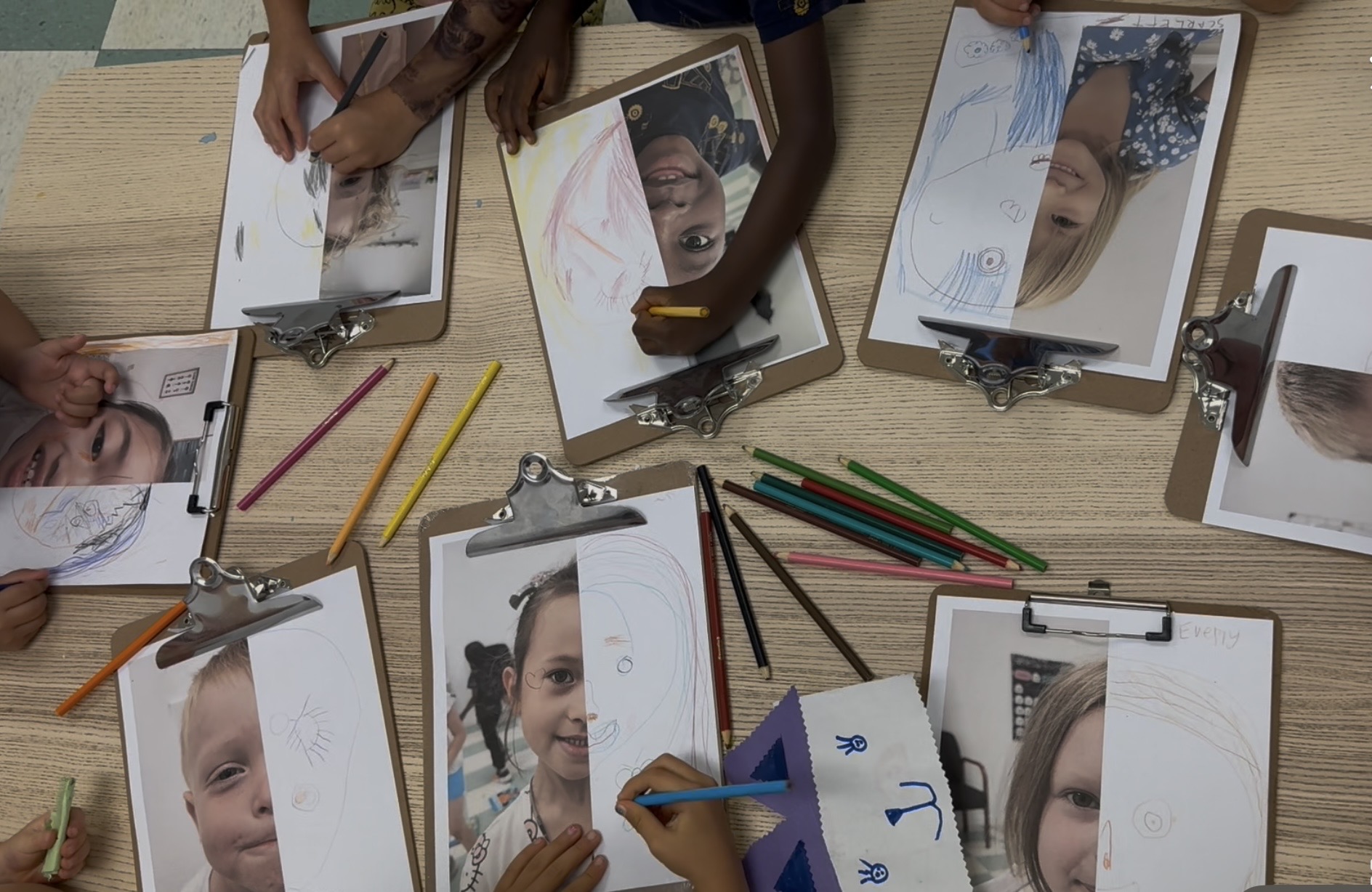
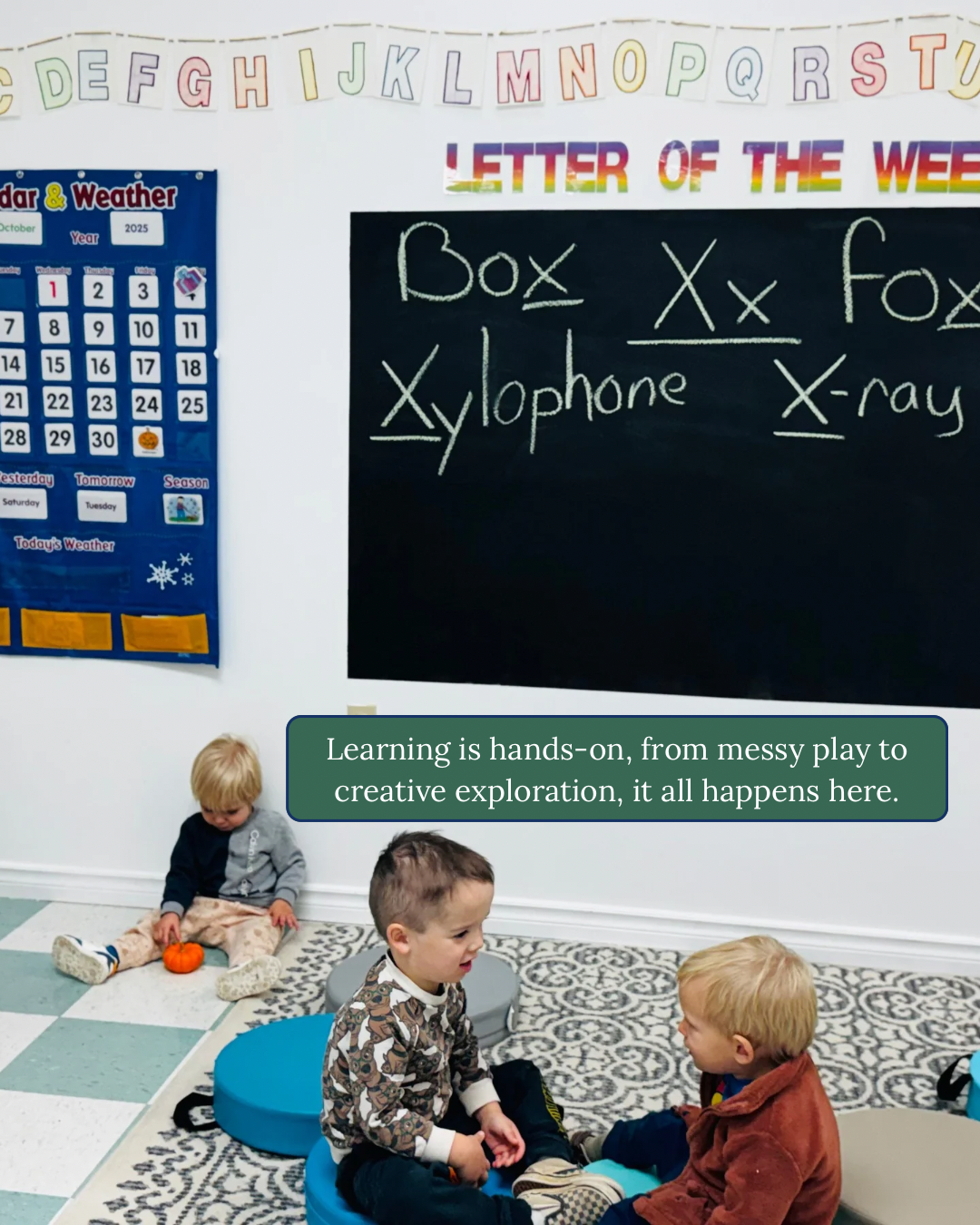
At Eager Beavers Childcare, we view children as capable, competent, and curious learners. Through inquiry-based learning, children are encouraged to explore, ask questions, investigate ideas, and make meaning of the world around them through hands-on, play-based experiences.
“Our task, regarding creativity, is to help children climb their own mountains.”
— Loris Malaguzzi
Educators thoughtfully observe children’s interests and strengths, using these insights to design meaningful learning experiences that extend thinking and deepen understanding. Rather than providing answers, educators act as guides and co-learners, supporting children to problem-solve, reflect, and express their ideas in many ways.
This approach nurtures confidence, independence, critical thinking, communication, and a lifelong love of learning while honouring each child’s unique abilities, pace, and voice.
Inquiry in Action
This pond habitat setup is an example of inquiry-based learning. Children explored, questioned, and investigated based on their own interests while educators supported and extended their thinking.
“`
-
During this inquiry, children explored the pond habitat through hands-on materials, visual resources, and open-ended play. They were viewed as capable, curious learners who led their own discoveries by closely observing animals, water, plants, and the interconnected relationships within the pond ecosystem.
Educators supported this learning by attentively listening to children’s ideas, asking thoughtful questions, and providing materials that encouraged exploration, creativity, and meaningful dialogue.
This inquiry fostered the development of:
- Curiosity and inquiry skills
- Foundational scientific understanding
- Language and communication abilities
- Imagination and problem-solving skills
Through inquiry-based learning, children build understanding through active exploration, reflection, and discovery driven by their natural curiosity.
-
OUR APPROACH TO LEARNING AND CLASS ENVIRONMENTS
-
Inspired By
Reggio Emilia
PhilosophyAt Eager Beavers Childcare, our approach is inspired by the Reggio Emilia philosophy, which sees children as strong, capable, and full of potential. Learning is seen as a collaborative process shaped through relationships, exploration, and interaction with the environment.
-
How Children Learn
Children are encouraged to express their thinking through many forms often called the “hundred languages of children.” These include:
– Art and creativity– Movement and music– Building and construction– Storytelling and dramatic play– Exploration and hands-on investigationThese varied forms allow children interaction with the environment.

-
The Role of Educators and Environment
Educators and children learn together, building knowledge through shared experiences, reflection, and dialogue. Our learning spaces are intentionally designed and thoughtfully arranged to act as the third teacher, inviting curiosity, creativity, and a strong sense of belonging.
-
“The child has a hundred languages, a hundred hands, a hundred thoughts.”
— Loris Malaguzzi
-
ALIGNED WITH
Flight Framework
At Eager Beavers Childcare, our practices are guided by Alberta’s FLIGHT Framework, which supports holistic, play-based learning and recognizes children as capable, curious learners. Through responsive relationships, meaningful play, and thoughtfully designed environments, educators support children’s well-being, communication, creativity, and sense of belonging.
-
To know about Flight Framework please check out
Alberta's Early Learning and Care Framework
“Learning gives creativity, creativity leads to thinking, thinking provides knowledge, and knowledge makes you great.”
If there’s anything else you wish to know more about approach and philosphy, please email hello@eagerbeaverschildcare.com